
How to Get Legally Married in Italy: Complete Guide for Foreign Couples
Everything you need to know about documents, timelines, ceremony types - and making it official under Italian skies.
You've pictured it a thousand times: a cypress-lined Tuscan hillside, a sun-drenched Amalfi terrace, a candlelit Renaissance chapel — or others. Italy is arguably the most romantic country on earth. But before petals fall and the prosecco flows, there is paperwork. And knowing exactly what that paperwork looks like is the difference between the wedding of your dreams and a very stressful last-minute phone call to a consulate.
First Things: Is Your Italian Wedding Legally Binding?
"We want the legal ceremony AND the dream reception + fun party — is that possible?" It's the question every couple asks us and the answer is a resounding YES. Here's how.
Italy recognizes two types of legally valid marriages for foreign nationals: a civil ceremony conducted by a municipal officer (Sindaco or delegated official), and a religious ceremony with civil effects — most commonly a Catholic wedding. Crucially, a marriage performed in Italy is recognized in most countries worldwide, provided you follow the correct apostille and registration procedures. We take care of it.
✦ GOOD TO KNOW
Same-sex couples can now formalize a legally recognized unione civile
(civil union) in Italy, carrying nearly all the same rights as marriage. The
process follows an almost identical administrative route.
The Two Paths: Civil vs. Religious Ceremony
Choosing between a civil and religious ceremony isn't just a spiritual decision — it shapes your entire paperwork journey.
|
MOST POPULAR Conducted by the mayor or a delegated officer. |
RELIGIOUS ROUTE Catholic Ceremony Performed in a church by a Catholic priest. The marriage is |
For most international couples — particularly those of different faiths or none at all — the civil ceremony at a licensed venue is the most flexible, elegant, and straightforward route. It is the ceremony type we guide most of our couples through.
THE DOCUMENTS YOU'II NEED: No Surprises, No Panic
Italy loves its bureaucracy. E secret to surviving it?
Starting early, and knowing exactly what's on the list before you set foot in a consulate. The exact requirements vary slightly by nationality and by the Comune (municipality) where you'll marry, but the core document set for a civil ceremony is consistent across the country.
Both partners must provide:
- Valid Passport
- Must be valid for the full duration of your stay in Italy.
- Nulla Osta (Certificate of No Impediment)
- Issued by your home country's embassy or consulate in Italy. This confirms you are free to marry.
- Birth Certificate
- Original, with Apostille stamp and certified Italian translation
- Divorce Decree (if applicable)
- Original with Apostille and Italian translation. Must show the divorce is final
- Proof of Single Status. Required in many countries. Either a sworn affidavit or a formal certificate depending on your nationality.
The STEP-BY-STEP Process: From "We're Engaged" to "Just Married"
Breaking down the Italian legal process into clear, manageable steps — so you can focus your energy where it belongs: planning the celebration.
1 step - Cotact us for free consultation.
2 step -Choose your Ceremony place.
The municipality where your ceremony takes place will handle all legal formalities. Research municipalities in your preferred region early — some are far more experienced with international couples than others.
3 step
We book the date and time of your ceremony, submit all the nesessery documents to Town Hall, develop the ceremony preparation schedule, step-by-step plan and suggest solutions to all the possible problems that could potentially come up before, during and after the event.
4 step
Gather and apostille your documents at home according our checklist. Contact your home country's authority to obtain apostilles on birth certificates and any other required documents. Allow 4–8 weeks for this process.
5 step
Obtain your Nulla Osta. We make appontment at the consulate in Italy to obtain your Certificate of No Impediment. They we will legalize it and submit all documents to the Town Hall.
6 step
On the eve of the wedding, we go together to the City Hall to sign a declaration.
7 step
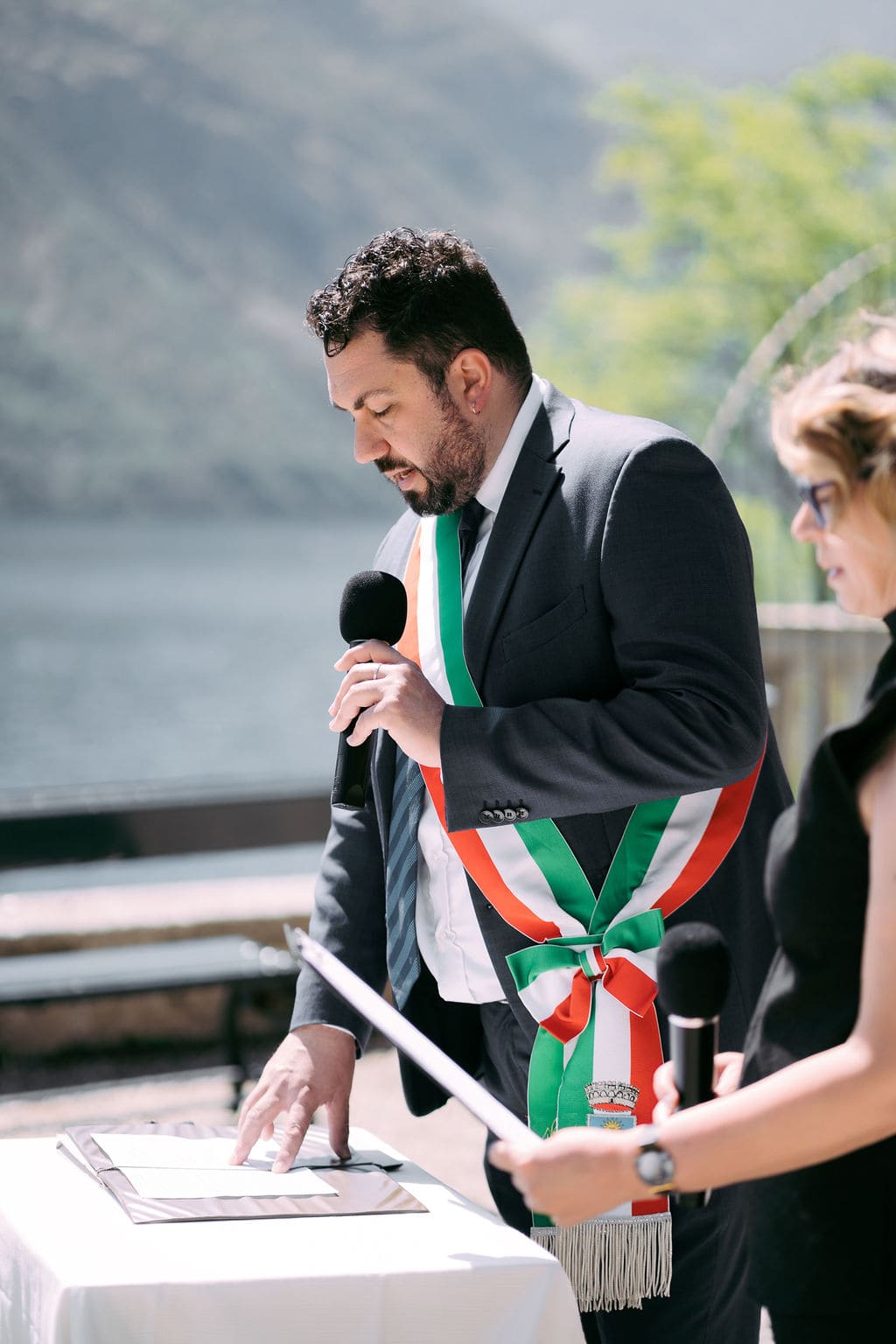
The ceremony. The civil officiant conducts the ceremony in Italian (with a translator present for non-Italian speakers).
8 step
Receive your Italian marriage certificate (Atto di Matrimonio). Issued same-day usually. It will then be apostilled by us and send it to you, after that you need to registered in your home country.
YOUR TIMELINE: When to Do What
The single biggest mistake couples make? Underestimating how much time the legal process requires. Here is a realistic roadmap.
12–18 MONTHS BEFORE : Choose Your Venue & Date. The best venues book out 18 months ahead, especially for peak-season dates (May–October). Secure your date before diving into paperwork.
9–12 MONTHS BEFORE: Hire a Local Planner. We will contact the Town Hall and book the date. A bilingual Italian wedding planner with legal expertise is invaluable at this stage. We liaise with the municipality and prevent costly errors.
6–9 MONTHS BEFORE: Begin Document Collection according our check list. Start apostille processes in your home country. Contact your embassy or consulate to begin the Nulla Osta process. These take longer than you think.
3–6 MONTHS BEFORE: Plan your travel to Italy. You should come 3 working day before the wedding. Send us all copies of your documents to control.
2–4 WEEKS BEFORE: We will send you a checklist with all appointments.
LEGAL DOCUMENTS FOR A CIVIL WEDDING IN ITALY
OUR REAL CIVIL & RELIGIOUS WEDDING CEREMONIES:
Dmitry & Amastasia, lake Como



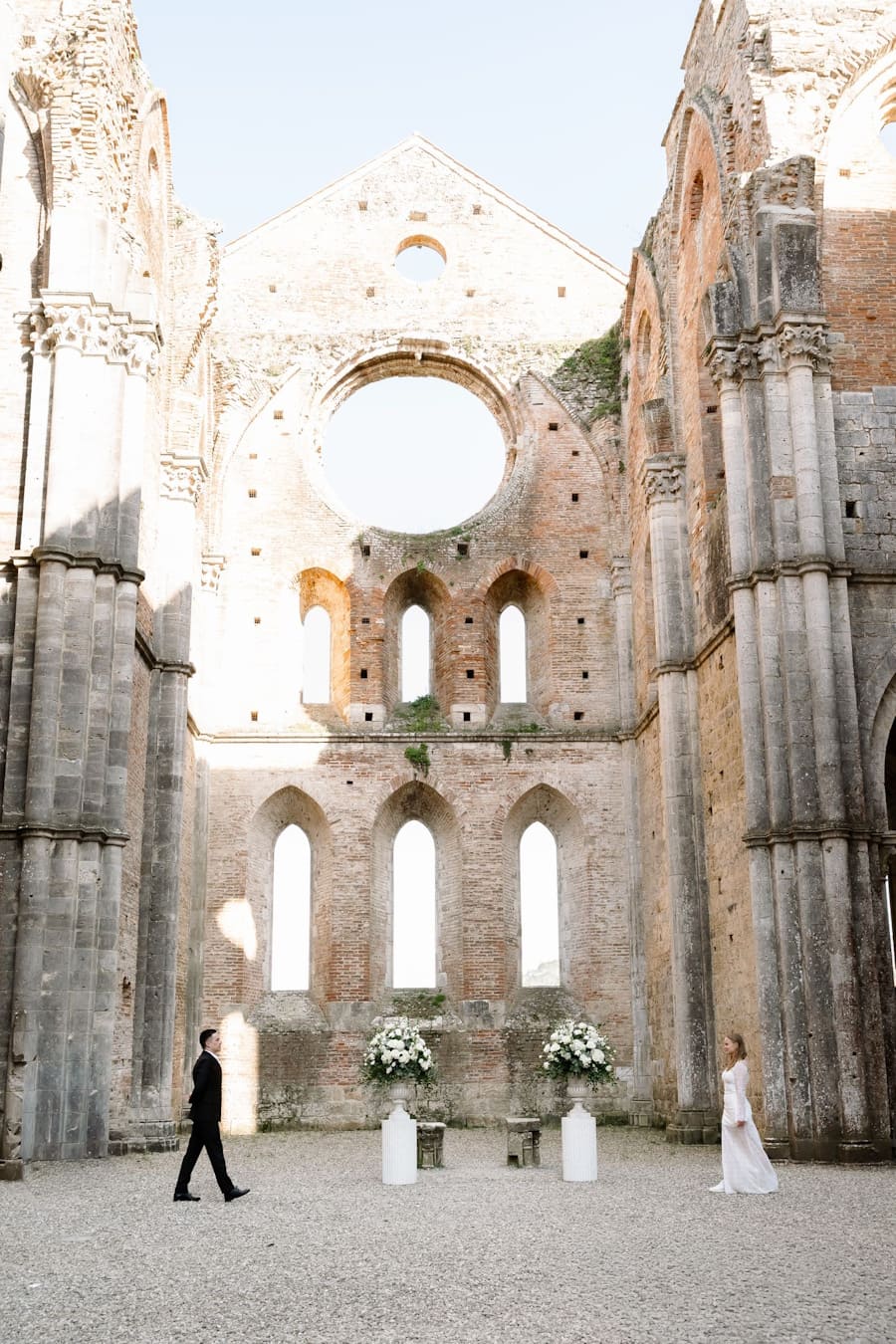
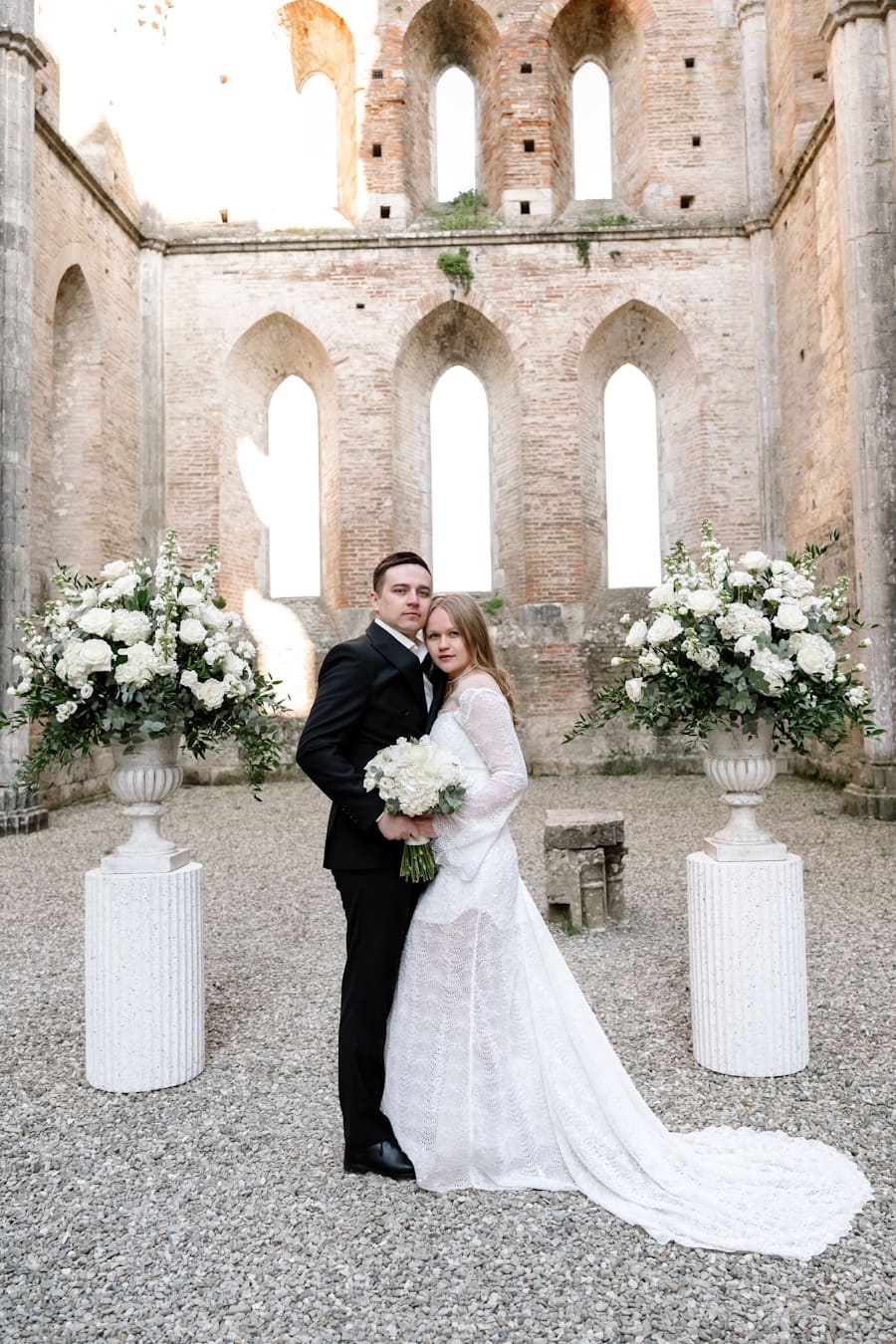
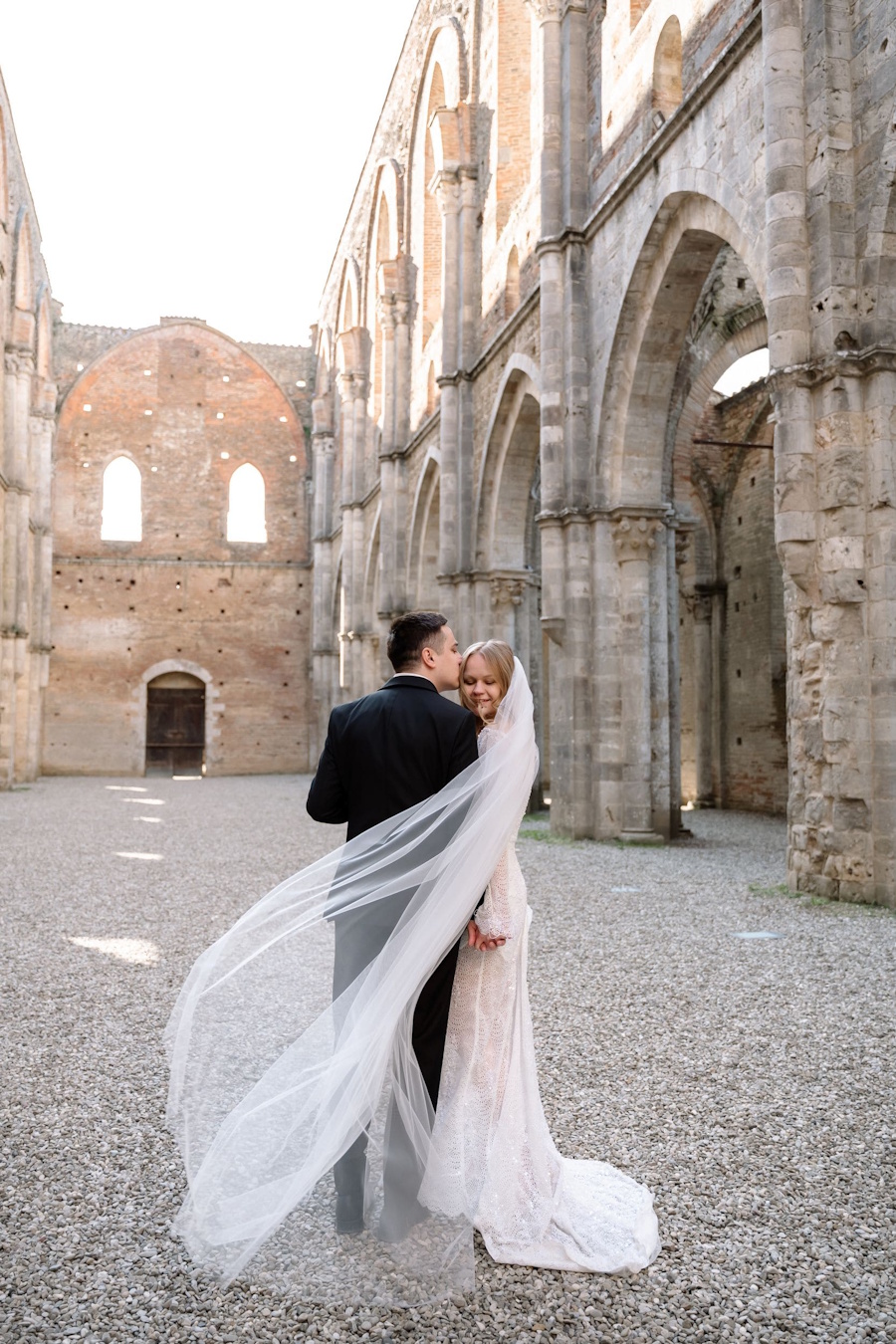
Olga & Andrew, Tuscany, San Galgano

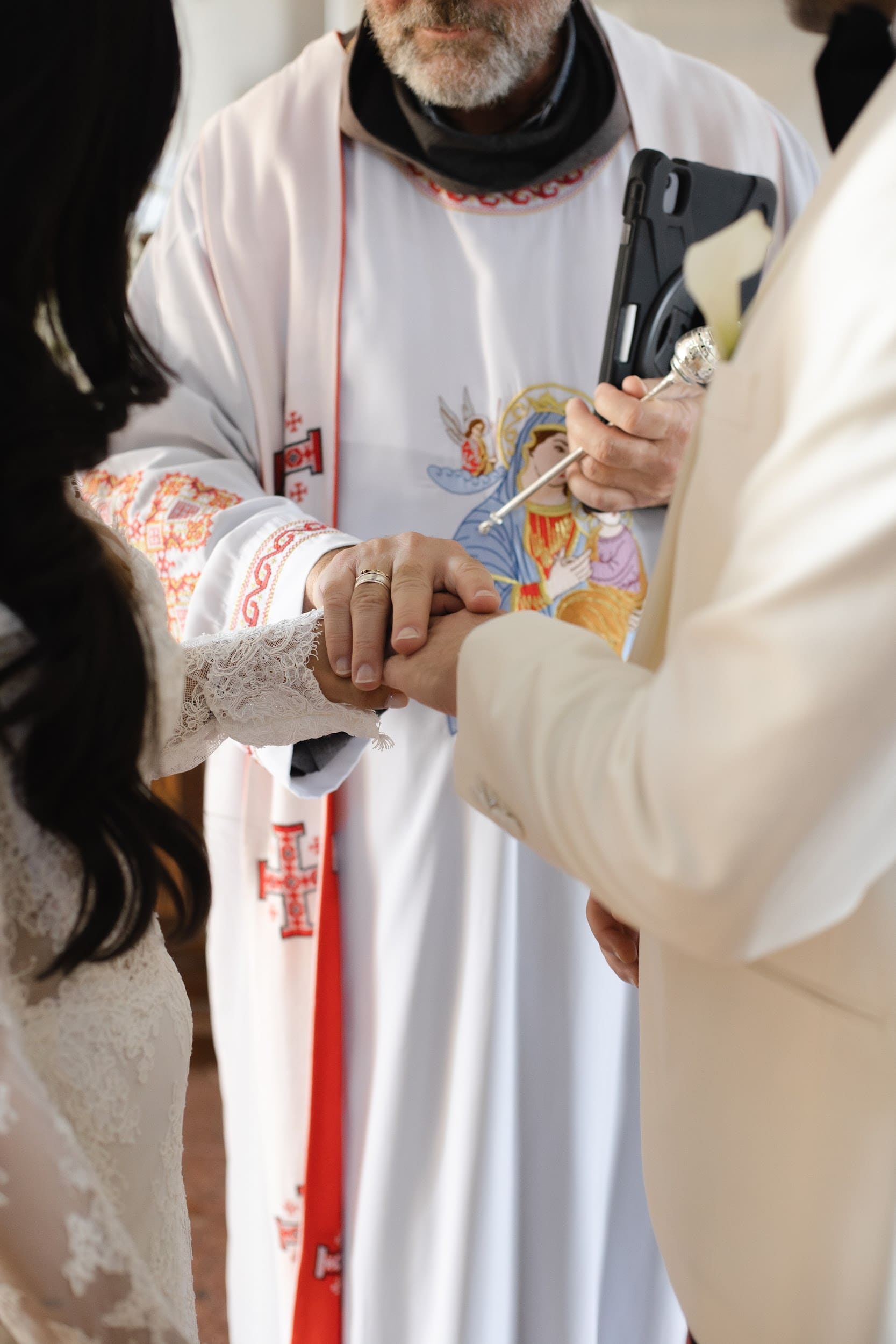
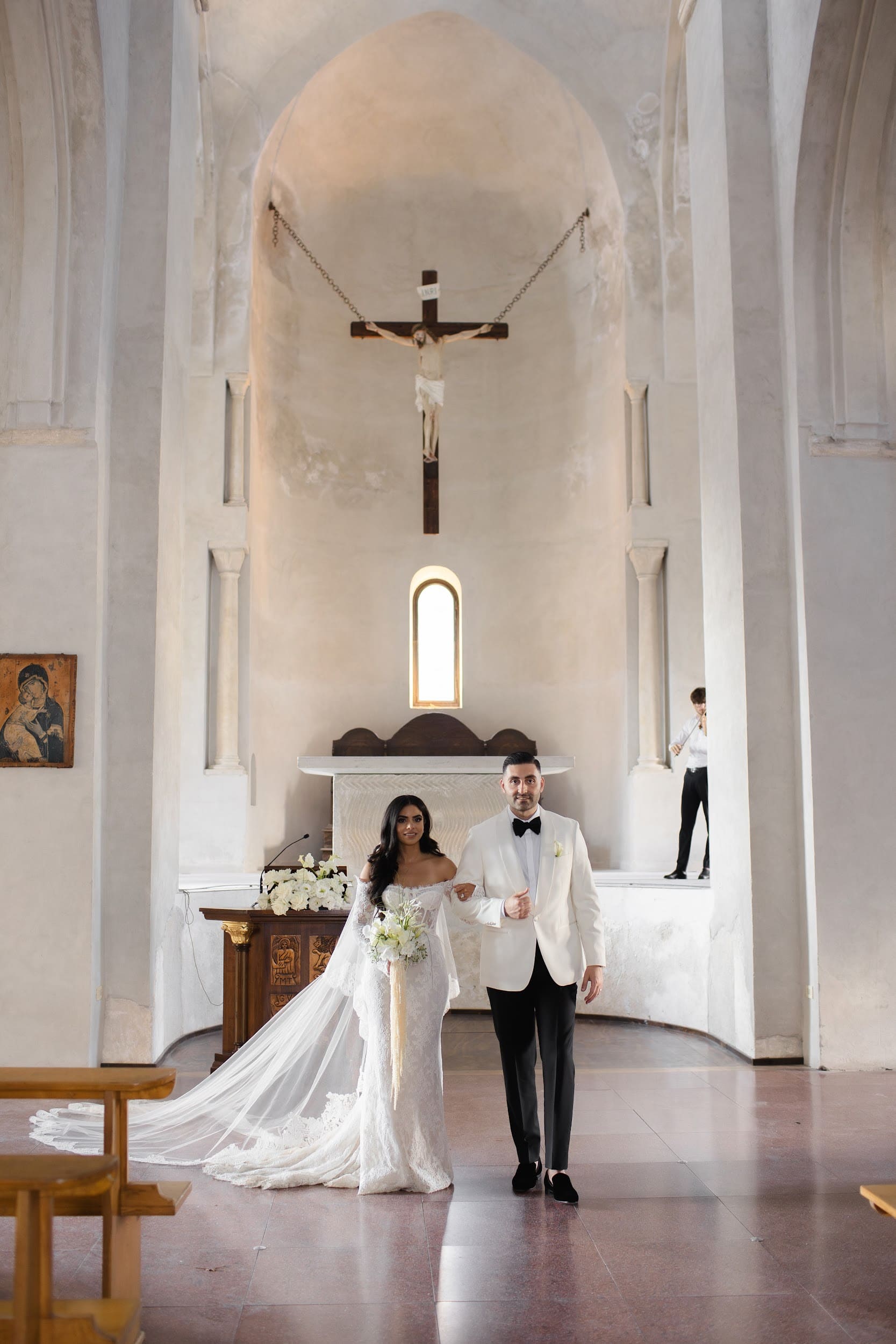
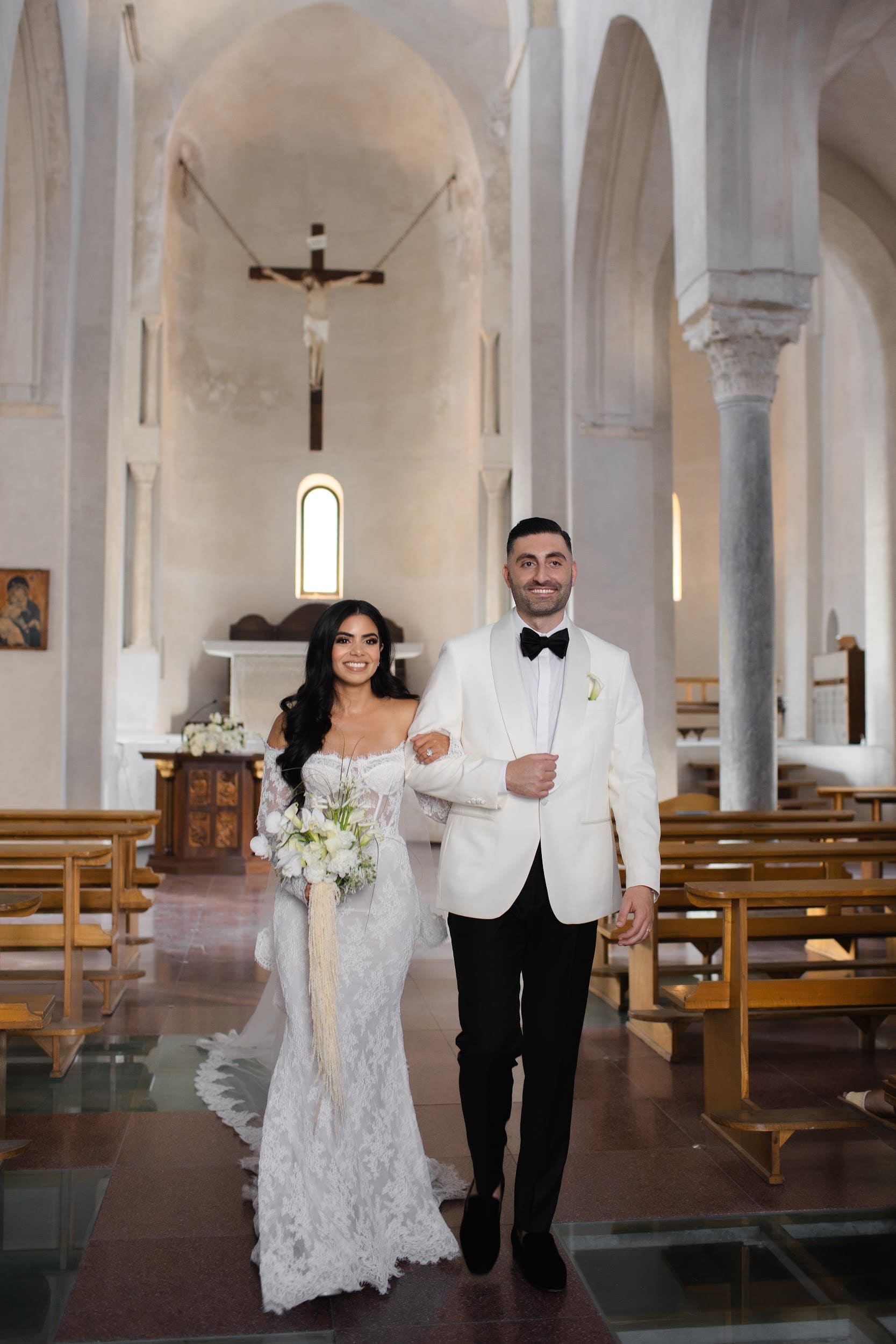
Lauren & Michael, Amalfi Coats, the Catholic ceremony


Ready to Begin?
Let's Plan Your Italian Wedding Together.
Our team of bilingual Italian wedding specialists handles every
legal detail — so you can focus entirely on the celebration.